






A gap in your smile can change how you eat, speak, and feel about showing your teeth. Two of the most common ways to close it are a fixed bridge and a removable partial denture, and each suits a different mouth.
Dental bridges in Pompano Beach are a popular choice when healthy teeth sit next to the gap, but they are not right for everyone. Knowing how dental bridges work makes comparing your options easier.
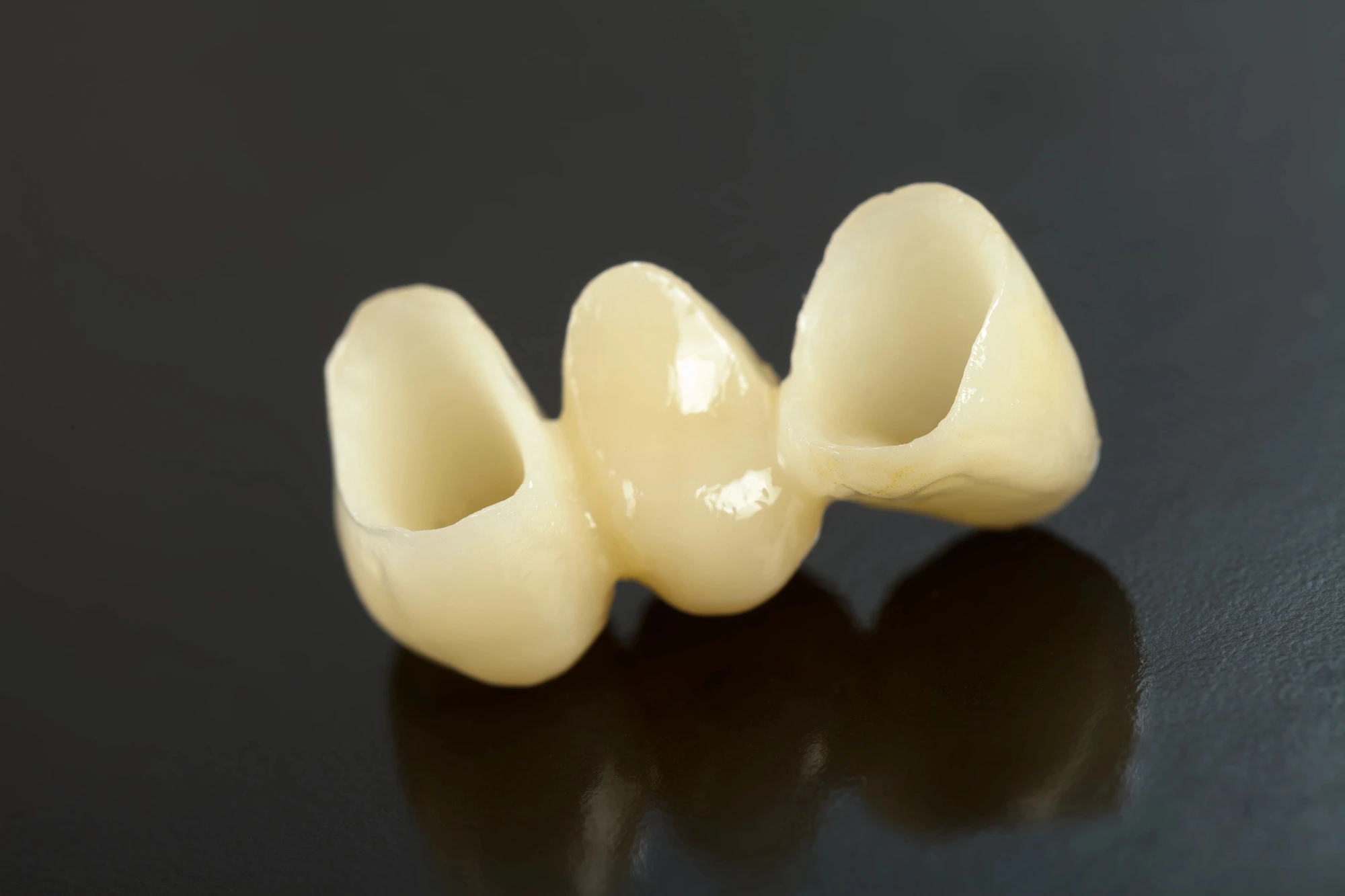
The Cleveland Clinic explains that a bridge is made of crowns that fit over the natural teeth on either side of the space, called abutments, plus artificial teeth, called pontics, that fill the gap. Dentists use several types: traditional, cantilever, Maryland, and implant-supported.
For a traditional bridge, the supporting teeth are reshaped, a step the Cleveland Clinic notes is irreversible. The bridge stays cemented in place and typically lasts about five to 15 years, sometimes longer, with proper care.
A removable partial denture replaces natural teeth with artificial teeth attached to a gum-colored base. A metal framework and clasps, or other connectors, hold it against your remaining teeth and help keep neighboring teeth from drifting out of place. You take it out to clean it, and at night. Partials are often used when several teeth are missing, or when there are no healthy teeth on both sides of a gap.
The practical differences show up every day:
A bridge calls for daily brushing and flossing, a nonabrasive fluoride toothpaste, and cleaning beneath it every day with floss threaders or interdental brushes.
For a partial, the American Dental Association recommends brushing it daily with a denture brush, because regular household cleaners and toothpastes can be too abrasive, and cleaning carefully around the clasps. Whichever you choose, regular checkups help catch problems early.
Your dentist weighs how many teeth are missing and where, the condition of neighboring teeth, the health of your gums, and your preferences. Bridges most commonly replace one to three teeth in a row. When bone and gums allow, dental implants are a third path worth discussing, since they do not rely on neighboring teeth.
Costs vary by option and case, and many plans cover part of the cost. Review your insurance and payment options before you commit, and ask about financing.
Often five to 15 years with good care, according to the Cleveland Clinic, and sometimes longer.
Partials are designed to be removable, and dentists typically recommend taking them out overnight, but follow the instructions your own dentist gives you.
Yes. Many patients move to a different option, including implants, as their needs and oral health change.

Our team at Park Plaza Dental can examine your teeth, walk you through your options, and help you decide what fits your smile and your budget. Schedule your consultation or call us at 954-998-5000 and find the right option for you.
If you have any questions about the services we offer, don’t hesitate to call Park Plaza Dental. Our team is here to make your next appointment a comfortable and productive one.
Want to read more from Park Plaza Dental?
Save us as a Preferred Source!